How we work
What Makes Us Different
Water challenges do not exist in isolation. Pollution, flooding, wetland loss, aging infrastructure, industrial development, and climate change are connected—and their impacts are not shared equally.
Bayou City Waterkeeper brings together community knowledge, law and policy, research, organizing, and creative communication to address these challenges at their roots. Our approach is interdisciplinary, bold, grounded in place, and deeply informed by the people most affected by water injustice.
Rather than relying on a single program or strategy, we combine different forms of knowledge and power to protect wetlands, secure clean water, reduce industrial risks, and advance community-powered water solutions.
Our Model of Change
Our model of change describes how our values, strategies, and areas of work fit together. It begins with a simple belief: the people most affected by water challenges should have the knowledge, resources, relationships, and power to shape the solutions.
We focus our work where environmental harms and public disinvestment have created the greatest burdens, particularly within our Water Justice Zones. By building trusted relationships, developing a shared understanding of local problems, and connecting individual experiences to systemic causes, we help communities define and advance solutions that respond to their priorities.
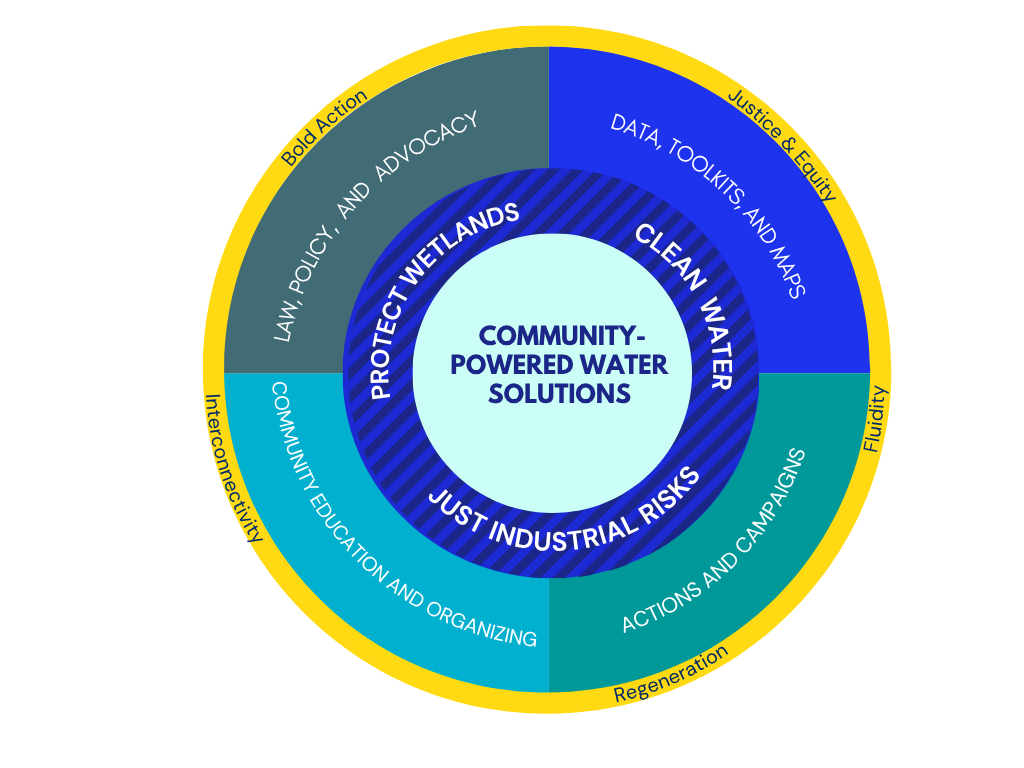
Our work moves through four connected stages:
Cultivate relationships and identify problems
We begin by listening. Through long-term relationships with residents and community partners, we learn how flooding, pollution, infrastructure failures, wetland loss, and industrial development affect people’s daily lives.
We pair lived experience with legal, policy, scientific, and historical research to document problems and understand their underlying causes.
Deepen knowledge and shared understanding
We make water issues, government processes, data, and legal protections easier to understand and use. Education, community science, storytelling, public records, maps, and other tools help residents connect what they experience locally to the larger systems shaping their communities.
This is a two-way process: community knowledge informs our strategies, and our technical resources help communities evaluate opportunities and advocate for change.
Grow community power
We support residents in developing the relationships, skills, information, and access needed to participate in decisions about water and infrastructure.
That can include preparing community members to engage with government agencies, building coalitions around shared concerns, strengthening community leadership, and creating space for residents to define the solutions they want to pursue.
Advance community-identified solutions
We combine community priorities with legal, policy, scientific, communications, and organizing strategies to change the rules, redirect resources, improve public systems, and hold decision-makers and polluters accountable.
The form of the work may differ from one campaign to another, but the goal remains the same: durable solutions shaped by the communities they are intended to serve.
Our confluence of strategies

Policy, Litigation, Enforcement, and Advocacy
We use legal and policy tools to address systemic problems, protect public participation, enforce environmental laws, and hold agencies and polluters accountable.
Our legal work is selective and strategic. Litigation is one tool within a broader approach that can also include legislative advocacy, administrative proceedings, permit comments, government relations, public campaigns, and direct collaboration with affected communities. Together, these strategies can change policies, improve enforcement, protect natural systems, and direct public resources toward communities that have experienced generations of disinvestment.
Community Education and Capacity Building
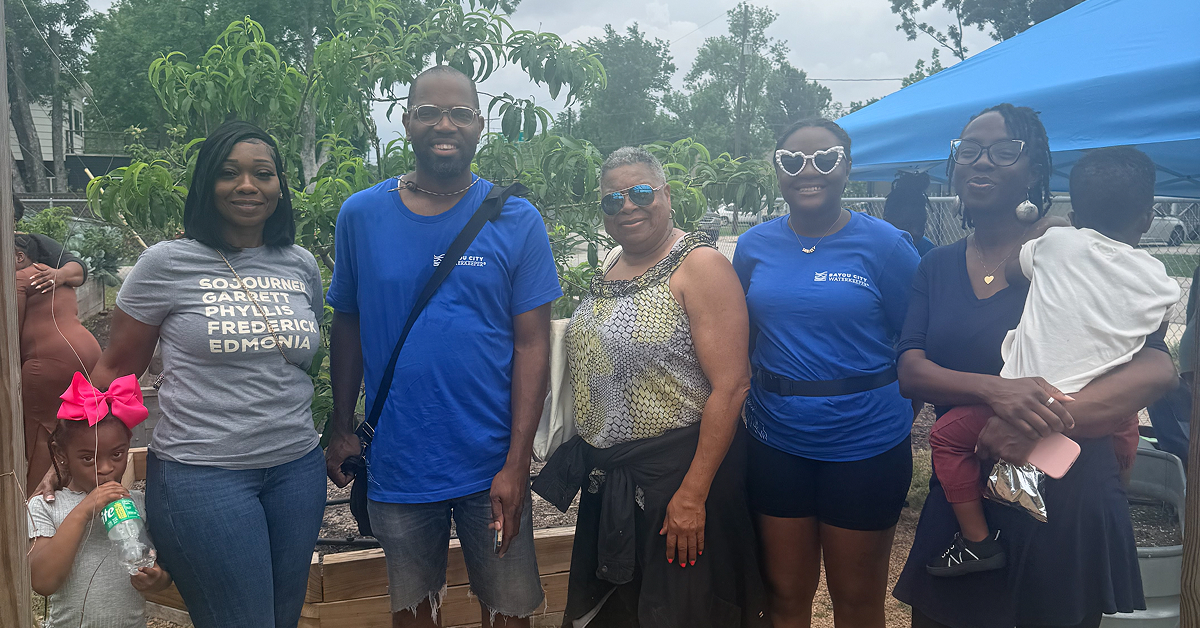
Water policy and infrastructure decisions are often hidden behind technical language, complicated data, and unfamiliar government processes. We work with residents to make those systems more understandable and accessible.
Through workshops, community science, public education, relationship-building, and leadership development, we help community members build the knowledge and confidence to identify problems, evaluate proposed solutions, and participate meaningfully in decisions affecting their neighborhoods.
Data-to-Action Tools and Maps
Data is most powerful when communities can use it.
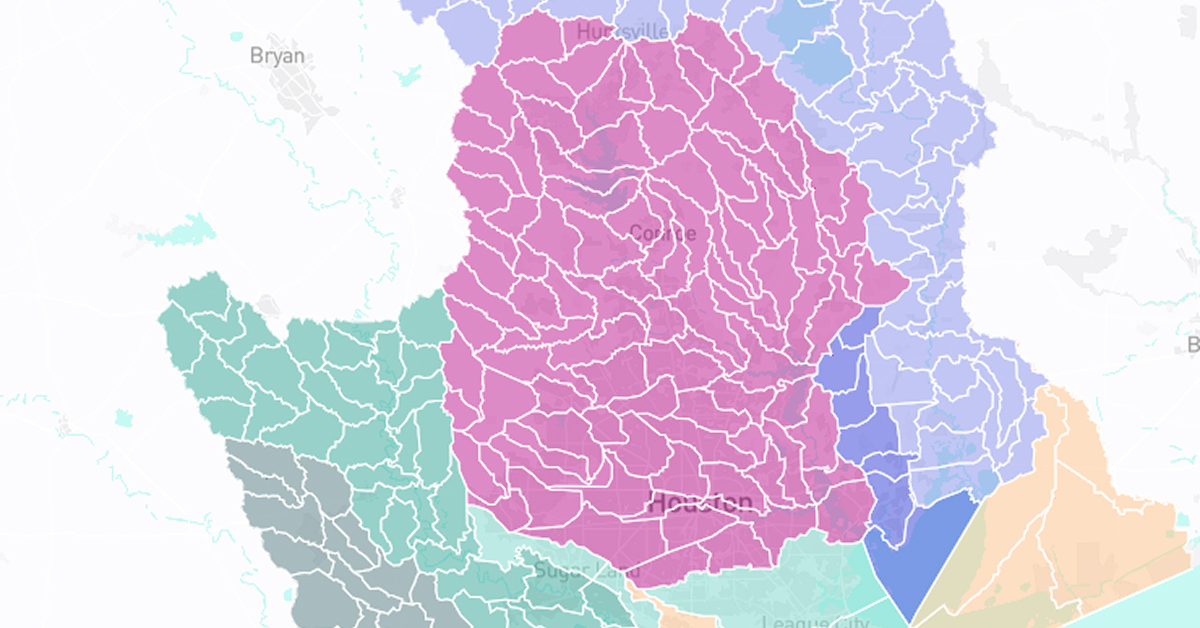
We combine public data, community knowledge, scientific research, legal analysis, and residents’ lived experiences to reveal patterns that might otherwise remain hidden. Maps, story-based data, community research, and other accessible tools help document environmental harms, identify inequities, inform campaigns, and strengthen demands for action.
Our data-to-action approach does more than describe a problem. It helps people understand what is happening, why it is happening, and where intervention is possible.
Actions and Campaigns
Lasting change requires coordinated action. We develop campaigns that bring together residents, community organizations, advocates, researchers, government officials, and other partners around shared solutions.
Depending on the issue, a campaign may include community organizing, public testimony, coalition-building, media outreach, administrative advocacy, legislative action, or litigation. By connecting these strategies, we help transform community priorities into concrete changes in policy, practice, and public investment.

Narrative Change and the Arts
The stories a region tells about water influence whose knowledge is valued, which problems receive attention, and what solutions people believe are possible.
We use storytelling, public history, art, cultural organizing, and creative collaboration to make complex water issues more visible and meaningful. These approaches can surface histories that have been overlooked, challenge narratives that treat environmental injustice as inevitable, and invite more people to imagine and shape a just water future.
What Change Looks Like
We will know our approach is working when:
- Communities most affected by water injustice have greater influence over the decisions that shape their neighborhoods.
- Residents have the information, tools, relationships, and opportunities needed to lead and advocate for change.
- Government agencies and decision-makers meaningfully incorporate community knowledge and priorities.
- Public investment reaches historically underserved communities and supports reliable, equitable, and climate-resilient infrastructure.
- Policies and enforcement systems better protect people, waterways, wetlands, and other natural systems.
- Polluters face meaningful consequences for violating environmental laws.
- Community, government, and media understanding of regional water issues grows.
- Water solutions address both immediate harms and the systems that produced them.
This work contributes to more than individual projects or policy victories. We seek lasting systems and social change: healthier waterways, stronger natural systems, accountable institutions, equitable public investment, and communities with the power to shape their own water futures.