Update 1/5/26: Bayou City Waterkeeper submitted this comment letter detailing the impacts that this proposed rule will have on the Lower Galveston Bay watershed and greater Houston-Galveston region. We also signed onto comment letters authored by Waterkeeper Alliance (focused on the concerns of Waterkeeper organizations, including those of BCWK), Earthjustice (focused on the concerns of Earthjustice clients who have previously participated in WOTUS litigation challenges, including BCWK), Clean Water Action (Texas implications of the proposed rule), National Wildlife Federation (national implications), and Southern Environmental Law Center (implications of the rule for the southeastern US states).
The Trump Administration’s Environmental Protection Agency (EPA) and U.S. Army Corps of Engineers (USACE) have proposed a new Waters of the United States (WOTUS) rule that would further restrict which waters are protected under the Clean Water Act (CWA). The agencies are accepting public comments through January 5, 2026.
Bayou City Waterkeeper has created a public commenting portal to support residents of the greater Houston–Galveston region who wish to speak out against this rule.Submit your comment here. (UPDATE: COMMENT PORTAL CLOSED 1/5/26)
Why This Matters for the Houston- Galveston Region
Since 1972, the Clean Water Act has been the backbone of water protection across the United States. Below are several of the ways that Bayou City Waterkeeper relies on the Clean Water Act.
- Strengthen and enforce sanitary sewer systems in Houston and Baytown
- Reduce sewage, trash, industrial toxins, and other pollution into local waters
- Challenge harmful development proposals that threaten wetlands and increase flooding
Over the last 50 years, the Clean Water Act has dramatically improved water quality nationwide, and remains one of the most effective tools for defending wetlands that protect our neighborhoods from flooding.
The newly proposed WOTUS rule would significantly limit which waters are covered under the Clean Water Act. In a state like Texas, where wetlands protection depends heavily on federal jurisdiction, this change would create a major regulatory and enforcement gap.
Wetlands across our region slow and store floodwaters, filter pollution, and sustain water supply. When these waters lose federal protection, they become more vulnerable to destruction resulting in increased flood risk, degrading water quality, and undermining long-term community .
What the Proposed Rule Changes
- Removes automatic protection for interstate waters
- Narrows tributary protections to streams with relatively permanent flow and defined banks
- Restricts wetland protections to only those with a continuous surface-water connection
- Removes protections for wetlands connected through groundwater or episodic flow
- Defines “wet season” using a generalized national model that does not reflect Texas’ highly variable climate or hydrology
- Expands exclusions for ditches, channelized streams, and modified drainage systems
- Elevates navigability criteria over hydrological function, ignoring the critical role non-navigable headwaters and wetlands play in flood mitigation and water quality
Comments won’t stop the rule alone, but they capture on-the-ground impacts, keep legal avenues open, and help drive state and local action.
Waters and Wetlands at Risk in the Lower Galveston Bay Watershed
Many of our region’s most important waterways and wetlands will be harder to protect under the new rule. Below is a summary of waters that may be impacted.
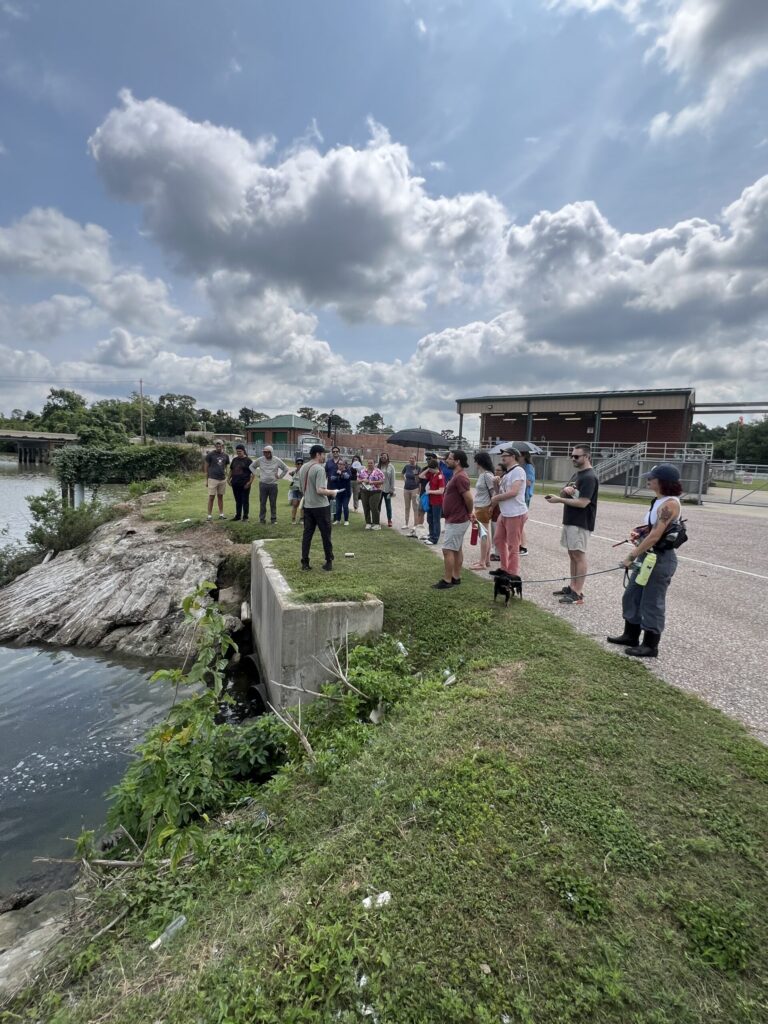
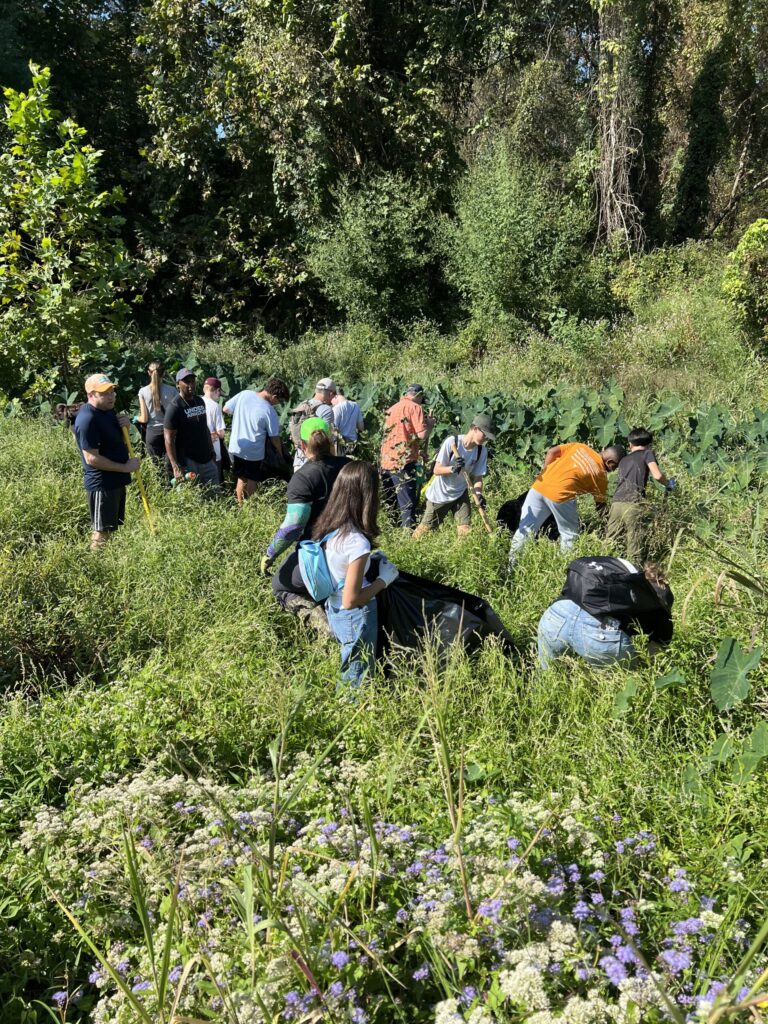
Buffalo Bayou, Brays, White Oak, Sims, and Tributaries
- Buffalo Bayou tributaries
- White Oak Bayou, Little White Oak Bayou, Brickhouse Gully, Cole Creek, Vogel Creek
- Brays Bayou, Keegans Bayou, Willow Waterhole Bayou, Bintliff Tributary, Hummingbird Creek
- Sims Bayou, Berry Bayou, Vince Bayou, Hunting Bayou, Carpenter Bayou
These waters contain seasonal flow variation, engineered channels, stormwater tunnels, and culverts that may fall outside federal jurisdiction. They are also central to flood protection for millions of residents.
Greens & Halls Bayou Watersheds (Northeast Houston)
- Greens Bayou and tributaries
- Halls Bayou
- Feeder channels and ditches
- Greens Bayou Wetlands Mitigation Bank
These waters are partially channelized or intermittent but play a critical role in flood mitigation and community resilience.
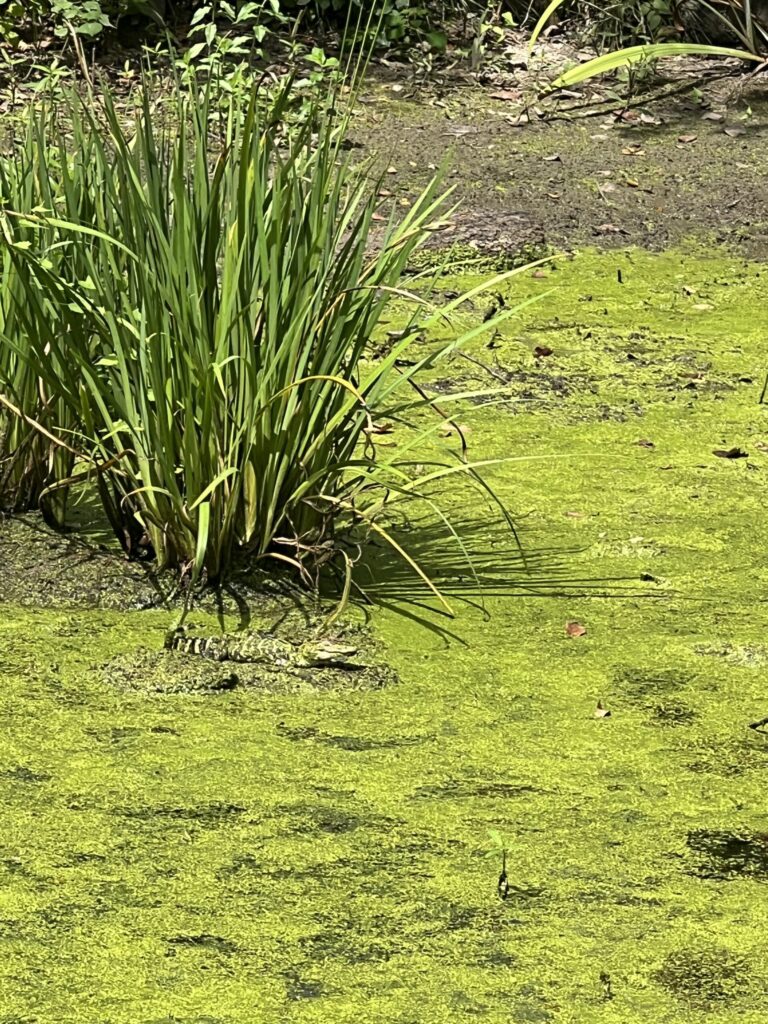

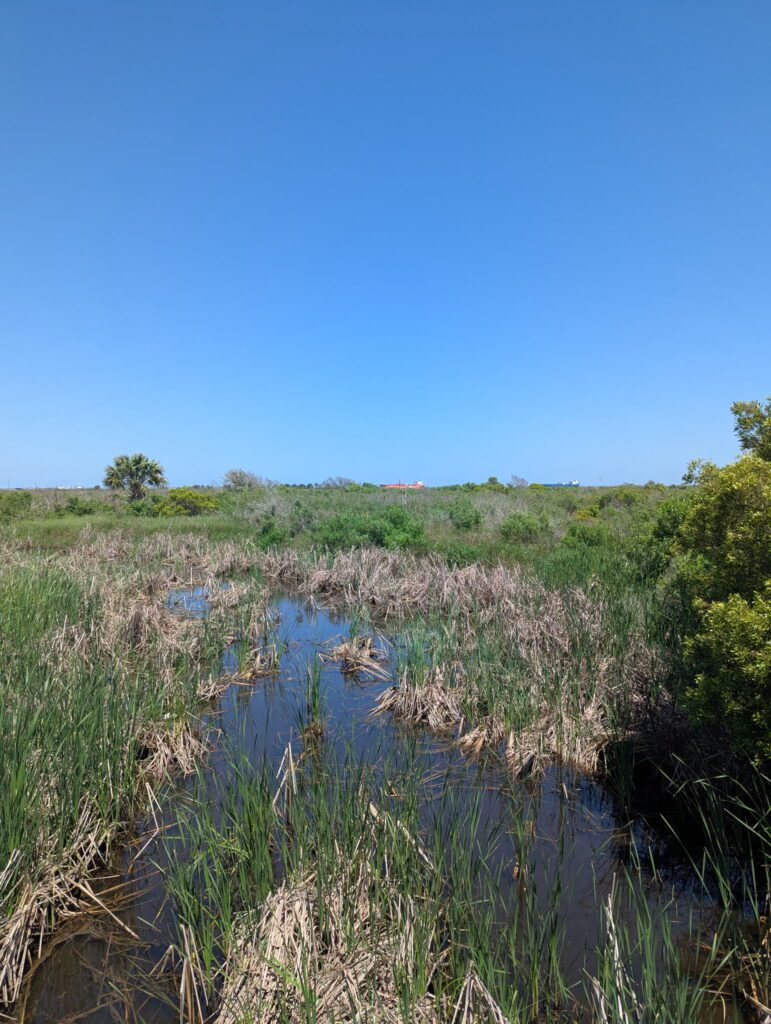
San Jacinto River Basin & Lake Houston Flatwood Wetlands
- Caney Creek, Peach Creek, Luce Bayou
- Spring Creek, Cypress Creek, Little Cypress Creek
These upstream features influence water the water quality of Lake Houston, drinking water supply, and downstream flood risk. Under the new ruling many creeks and upstream tributaries would not meet the proposed “continuous surface connection” requirement.
Clear Creek, Dickinson Bayou, Armand Bayou, and Coastal Wetlands (SE Houston & Galveston Bay
- Clear Creek, Turkey Creek, Horsepen Bayou
- Upper Armand Bayou tributaries
- Dickinson Bayou and surrounding wetlands
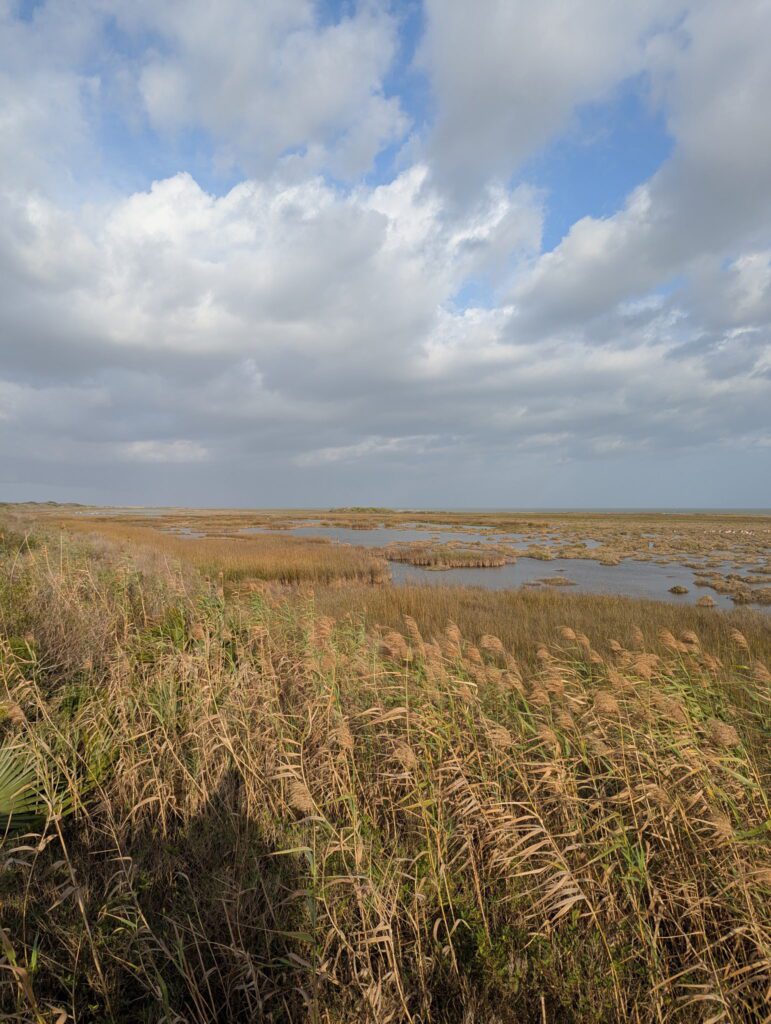
Many of these wetlands experience seasonal or irregular flow but are essential for flood mitigation and pollution filtration.

Baytown Waters
- Cedar Bayou upper reaches
- Goose Creek
Seasonally flowing tributaries here may also fall outside federal jurisdiction.
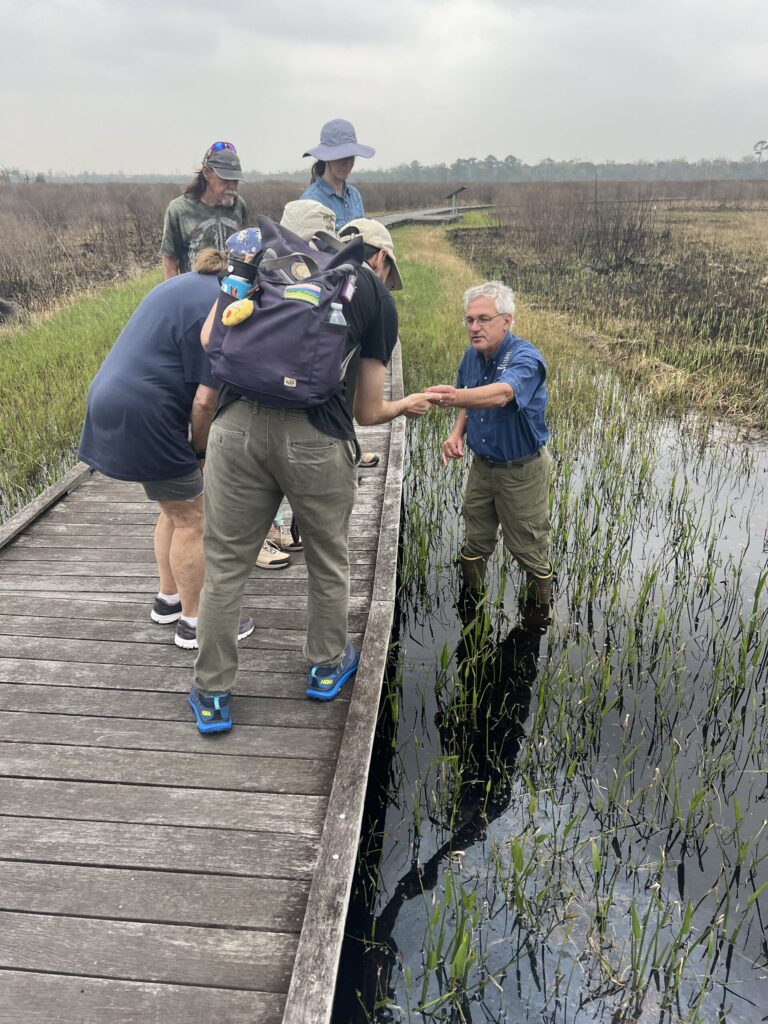
Texas Coastal Prairie Wetlands
These wetlands span Brazoria, Waller, Galveston, Chambers, and other coastal counties and drain into Trinity Bay, Galveston Bay, Chocolate Bayou, Bastrop Bayou, Oyster Creek, and Christmas Bay. Although they provide essential flood storage, water-quality filtration, and coastal buffering, many lack continuous surface-water connections and could fall outside federal jurisdiction under the proposed rule.


Call to Action
Bayou City Waterkeeper encourages residents, community leaders, and partner organizations to submit a public comment before January 5, 2026.
Submit your comment here
Share this post with neighbors, watershed groups, and local officials.
Protecting our waters is essential to protecting our communities.
If we lose these wetlands, we lose one of our most powerful tools for mitigating floods, protecting water quality, and ensuring health and safety for those of us who live across the greater Houston-Galveston region.
Bayou City Waterkeeper envisions a Houston where water is a catalyst for change. By connecting community, place, policies, and systems we collaboratively advance equitable distributions of power and resources towards life, joy, and regeneration for our watershed. Bayou City Waterkeeper protects the waters and people of the greater Houston region through bold legal action, community science, and creative, grassroots policy to further justice, health, and safety for our region.