Congress is in the final stages of debating the Bipartisan American Affordability and Jobs Act of 2026 (BAAJA, S. 5653) sweeping federal permitting legislation backed by energy groups, tech companies, and major labor unions to speed up infrastructure and transmission construction, but strongly opposed by environmental and conservation organizations for rolling back core environmental laws. According to Bayou City Waterkeeper (BCWK) and legal analyses from Earthjustice, the bill’s Clean Water Act provisions would severely weaken the safeguards protecting Houston’s bayous, wetlands, and neighborhoods.
While supporters argue BAAJA will modernize grid planning and accelerate energy projects, BCWK and our partners maintain that faster permitting must not come at the cost of making flooding more likely or leaving Gulf Coast communities to absorb the physical and financial damage of lost wetlands.
Where the Bill Stands Now
Over the past ten days, the Senate has fast-tracked BAAJA past every major procedural hurdle, including a key 65–31 vote today (November 18) to cut off debate and clear the way for final passage. A final Senate vote is now expected before the Thanksgiving recess, which would send the bill directly to the U.S. House of Representatives.
Although a recent amendment added local consultation rules for historic preservation and created a data center community assistance program, Earthjustice’s analysis concludes that it left the bill’s most damaging Clean Water Act rollbacks intact.
What This Means for Our Region
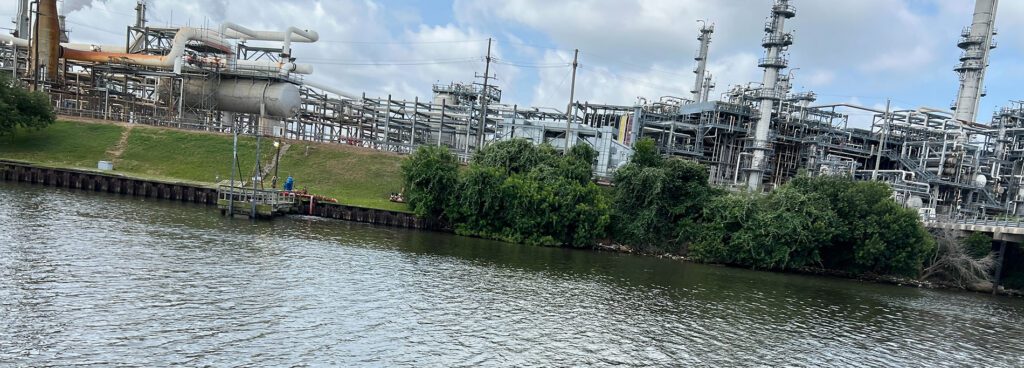
Harris County lost roughly 29% (15,853 acres) of its freshwater wetlands between 1992 and 2010, and communities across our watershed are still recovering from Hurricane Harvey. With the Houston region projected to grow from 7 million to 10.7 million people by 2050. Federal wetland jurisdiction already narrowed by the Supreme Court ruling on Sackett and recent pending regulatory rewrites, our region cannot afford to weaken the protections that remain.
BAAJA would:
- Fast-Track Wetland Loss (§ 1204): Quadruple the threshold for streamlined “nationwide” dredge-and-fill permits from half an acre to two acres without cumulative impact review, while barring the Army Corps of Engineers from considering flooding or habitat impacts.
- Handcuff State Oversight (§ 1202): Force states to meet a rigid “clear and convincing” evidentiary standard to deny or condition federal permits—a major blow in Texas, where federal § 404 permits are what trigger state water quality reviews by TCEQ.
- Eliminate Crucial Backstops (§ 1205): Strip the EPA’s authority to veto destructive projects after a permit is issued, shrink the window for legal challenges to just 150 days, and prevent courts from vacating unlawful permits unless there is “imminent danger.”
- Lock In Outdated Pollution Standards (§§ 1401–1402, § 1203): Double the lifespan of Clean Water Act discharge (NPDES) and general permits from five years to ten years, preventing agencies from updating permit terms even when new pollution data emerges
How You Can Help
With final Senate passage now imminent, BCWK is urging our Texas Senators to vote no on final passage and calling on our Houston-area House delegation to publicly oppose BAAJA in its current form. Once the bill clears the Senate, the fight immediately shifts to the U.S. House of Representatives before the current Congress adjourns on January 3, 2027. We will keep working with our Houston delegation and community partners to defend our bayous, wetlands, and neighborhoods
Your voice matters right now. Contact your U.S. Senators before the final floor vote and reach out to your House Representative to urge them to vote no on BAAJA unless its Clean Water Act rollbacks are removed completely. Find your representatives here or sign up for BCWK’s emails and follow our socials to stay updated as this bill heads to the House.
For questions about our Federal policy work, please contact Guadalupe Fernandez at guadalupe@bayoucitywaterkeeper.org or Usman Mahmood usman@bayoucitywaterkeeper.org.