On June 10, 2026, Houston City Council voted 15-1 to approve the city’s $7.5 billion Fiscal Year 2027 operating budget. While budget season always shapes the future of our city, this year’s major storyline centered directly on Houston’s water and wastewater system.
To plug an over $200 million gap in the tax-supported General Fund, the City Administration turned to the Combined Utility System (CUS) using water and wastewater reserves to stabilize the broader municipal budget.
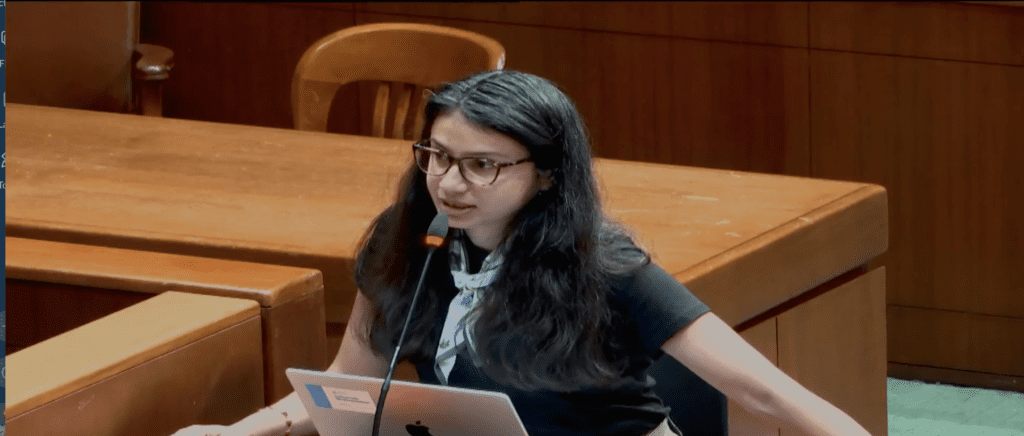
Bayou City Waterkeeper showed up where decisions were being weighed: We directly engaged with Council Members and City Officials, submitted formal written comments to the Budget and Fiscal Affairs Committee, testified at the Houston Public Works Budget Workshop on May 18, and raised critical questions during departmental workshops and the May 20 budget town hall.
Now that the dust has settled, we are breaking down what these structural financial shifts mean for Houston’s water future and outlining how we will continue to watch the data to protect the health and safety for our water and communities.
The Proposed Budget and Our Core Concerns
When the City Administration initially released its budget proposal, it revealed a plan to tap into the Combined Utility System (CUS) balance to bridge a looming General Fund deficit. The administration framed the utility’s multi-billion-dollar account as “unutilized liquidity” that could easily balance the broader municipal budget without impacting operations.
Our advocacy focused on a single truth: water utility balances are not a discretionary slush fund. While City Officials insisted that the CUS’s projected $1.48 billion year-end balance represents “unutilized liquidity” that can withstand this extraction without delaying projects, BCWK pushed back heavily against this narrative. When we examined the data, we raised questions and deep concerns regarding the true cost of pulling massive amounts of capital out of our utility network:
- Is this true “unutilized liquidity” when we continue to have massive water and wastewater issues and repair backlogs?:
- During the Budget Workshop and Budget Townhalls, the City attempted to minimize the scale of Houston’s sanitary sewer overflows (SSOs). However, our own findings from the City’s publicly reported data tells a starkly different story: public line SSOs have remained stagnant or increased over the last five years, consistently hovering between 1,200 and 1,600 overflows annually depending on wet weather. While minor maintenance moves forward under our city’s federal Wastewater Consent Decree, these chronic overflows have not meaningfully decreased.
- The narrative of surplus liquidity is historically suspect. Houston Public Works (HPW) revealed that the city achieved just a 0.3% water line replacement rate in FY25 and is tracking toward that same 0.3% for FY26. This is a tenfold failure against its own 3% replacement target. Houston is also choked by a massive maintenance backlog, with the average water leak taking 41 days to repair.
- We’re concerned that much of the cash sitting in the CUS isn’t excess revenue. We worry that it is unspent capital resulting from a severe failure to execute high-ticket pipeline replacements, lift station overhauls, and wastewater treatment plant projects.
- What is the reality behind the utility’s “cash cushion”?
- The CUS cash balance is legally bound by operating reserves, project appropriations, and capital debt service. While the administration points to an aggregate $1.48 billion cushion, technical estimates from the City Controller suggest that true, uncommitted discretionary reserves sit closer to $140 million. Extracting hundreds of millions introduces severe risks to the system’s resilience when inflation or project overruns inevitably hit the multi-decade Consent Decree.
- At both the HPW Budget Workshop and the Houston Budget Townhall, we asked HPW, Council, and the Administration for clarity and transparency, requesting an itemized breakdown that explicitly isolates restricted compliance funds from actual discretionary cash, alongside long-term solvency models to prove this extraction complies with the Master Bond Ordinance.
- Instead of receiving clear financial metrics, our questions were met with a false political choice framing the diversion as a necessary trade-off to protect city parks and libraries from cuts – yet funding for those very departments was still reduced in the final budget. Moving forward, we will continue pushing for the fiscal transparency required to prove our utility is not being drawn past its safety cushion.

Big Shifts Passed
Despite these concerns and lack of clarity, the final approved budget officially enacts two massive, structural overhauls that that directly impact Houston Public Works (HPW) and the CUS:
- The Right-of-Way (ROW) Rental Fee ($104 Million): The city will now charge its own municipal utility a 5% fee on total water bill revenues for using the public right-of-way, transferring $104 million from ratepayers into the General Fund.
- The Solid Waste System Absorption ($134 Million): Operational and personnel expenses for the Solid Waste Management Department are being transferred out of the General Fund and directly into the CUS/Water and Sewer Operating Fund. This structural shift is subsidized by a new $5 monthly administrative fee for residents receiving city trash service, which is projected to rise to $25 by FY32 as the utility subsidy is phased out.
Siphoning this capital while the system still experiences thousands of illegal overflows annually and lags on critical project execution is risky fiscal policy and a potential failure of public health, safety, and environmental stewardship.
Finding the Balance: A Missed Opportunity for Water Justice
As we testified before the Senate Committee on Water, Agriculture & Rural Affairs last month, BCWK is not fundamentally opposed to structural utility transfers. We know other major Texas cities utilize right-of-way fees effectively. What we oppose is the lack of transparency and missed opportunity to build a healthier system.
If HPW and the administration truly believe these funds exceed immediate regulatory minimums, they should not be pulled out to cover standard general deficits while cutting funding to vital city assets like Parks and Recreation. Instead, excess funds could be actively leveraged to build holistic water resilience:
- Proactive System Integrity: Moving away from a reactive, multi-week delay on leak repairs toward a proactive maintenance model that prevents pipe failures before they cause an emergency.
- A True “One Water” Model: Investing in integrated water management to handle stormwater, drinking water, and wastewater as a singular, efficient ecosystem.
- Ratepayer Equity and Assistance: Expanding financial relief programs to protect our most vulnerable residents from rising utility rates and funding repairs for private sewer laterals—which are the primary source of clean stormwater leaking into and overwhelming our public sewer lines.
What’s Next: Holding the Line and Working for Our Communities
Though the budget has passed, our advocacy does not stop. The structural shifts made this year mean BCWK will be monitoring the implementation of this budget with a sharp, data-driven focus over future budget cycles. Moving forward, we are watching several key indicators:
- Segregated Reporting Transparency: Thanks to a successful budget amendment put forward by Council Member Sallie Alcorn, the city must report solid waste finances and headcount completely separate from water and wastewater activities. We will be tracking these monthly financial reports closely to ensure ratepayer funds are not being mingled or untraceably drained.
- The CUS Progress Report: We will be closely following a key amendment introduced by Council Member Amy Peck that was referred to committee, which requires a comprehensive report within six months on the progress and financial health of the CUS. This review will give us a vital look under the hood to see exactly how the $220 million extraction is impacting our infrastructure pipeline.
- Neighborhood Drainage Dollars: We are standing alongside our partners at the Northeast Action Collective (NAC) as they track a significant accounting realignment within the Dedicated Drainage and Street Renewal Fund. Funding historically utilized for local neighborhood ditch maintenance has been shifted to bypass the general operating layer and flow directly into the Capital Improvement Plan (CIP) Fund. While this blocks the money from being used to cover general city deficits, moving it into the CIP slow-lane could mean localized ditch clearing must now compete with multi-million-dollar regional mega-projects. We will support our partners as they monitor the CIP project rolls to ensure open-ditch neighborhoods are not left behind.
- The Vulnerability Gap: Council Member Salinas’s amendment to expand the Water Aid to Elderly Residents (WATER) program was referred to committee alongside a forthcoming relief ordinance. Because the new garbage fee is being tacked directly onto residential water bills, this adjustment ensures the WATER fund can cover the combined total for seniors and disabled residents. Without this critical safety net, low-income families unable to afford the new garbage fee would face water disconnections over a trash charge. The expansion of the WATER program could be a vital shield against compounding utility burdens.
- Consent Decree Milestones: We will continue monitoring HPW’s capital delivery pipeline. If the diversion of these funds causes project delays, line replacement failures, or an escalation of sewer overflows in historically underfunded neighborhoods, we will bring that data directly back to council chambers and federal regulators.
Ultimately, monitoring is only one piece of the puzzle. We remain committed to working with the City of Houston, state and federal agencies to continue our advocacy to ensure that critical water infrastructure funding actually makes it to our region and to our communities most left behind. True water justice means that investments are targeted directly where decades of deferred maintenance have left neighborhoods vulnerable to chronic sewer backups and flooding.
Houston’s water system belongs to its ratepayers. We will continue working through policy, science, organizing, and law to ensure that every dollar we pay in our water bills is treated as a sacred investment in a clean, safe, and resilient Houston.
Stay Involved and Support Our Ongoing Efforts
The passage of Houston’s municipal budget proves that local oversight is more critical than ever. However, protecting our region’s water infrastructure requires us to look at the full picture: connecting what happens inside Houston City Council chambers to the massive state funding systems flowing out of Austin. Securing the resources Houston needs to repair its aging systems requires collective action.
- Follow our work and take action: Later this year, the Texas Water Development Board (TWDB) will release its Clean Water and Drinking Water State Revolving Funds Intended Use Plans. We will be submitting formal comments pushing for equitable reforms, a better Disadvantaged Community Score system, and increased technical assistance. Follow our website for upcoming public comment toolkits and organization sign-on opportunities.
- Keep Demanding Equity and Transparency from Local Officials: The battle for water justice does not end with the budget vote. Contact your Houston City Council members and the Mayor’s office. Express your support for long-term fiscal transparency and targeted infrastructure repairs in historically underfunded vulnerable neighborhoods.
For questions about our policy work, please contact Guadalupe Fernandez at guadalupe@bayoucitywaterkeeper.org or Usman Mahmood usman@bayoucitywaterkeeper.org.